
In the heated apparel market, customers buy your jacket for its silhouette and design—but they stay for the warmth. Combining great outerwear aesthetics with an unreliable heating system leads directly to warranty returns and brand damage. Drawing on 23 years of wearable thermal manufacturing, MEC ADDHEAT breaks down the three foundational hardware standards every apparel brand PM and sourcing manager must verify before selecting a heating system supplier.
True Washability: A Garment First, Electronics Second
A heated jacket is not a countertop appliance; it is a garment that gets worn, soiled, and machine-washed. The cheapest heating module on the market becomes your most expensive liability if internal circuits corrode or delaminate after a few laundry cycles.
At Addheat, every heating module is engineered to survive 50+ commercial machine-wash and high-heat tumble-dry cycles with less than 5% thermal degradation. Because our assembly lines operate on an hourly wage system rather than piece-rate pay, technicians never rush waterproof sealing or joint encapsulation—helping our partners maintain a defect rate below 0.1% after 1 year of real-world use.
Heating Element Technology: Carbon Fiber Efficiency & Far-Infrared Comfort
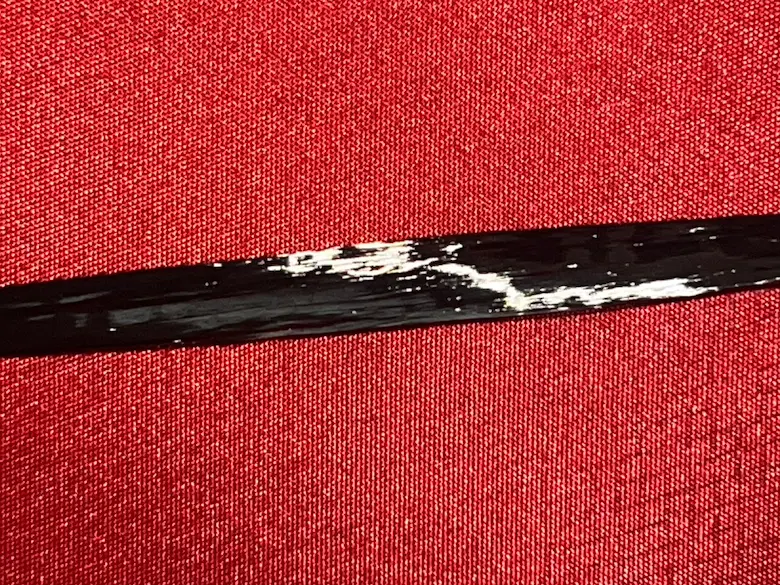
Sourcing teams often compare printed conductive inks, metal alloy wires, and carbon fiber heating elements. While printed electronics can crack under repeated folding and stiff metal wires create noticeable ridges, high-grade carbon fiber delivers superior electrical-to-thermal conversion efficiency.
-
Higher Heat per Watt: Carbon fiber generates maximum warmth from standard 5V or 7.4V battery packs, extending battery runtime without adding bulk.
-
Far-Infrared (FIR) Comfort: Carbon fiber naturally emits far-infrared wavelengths that promote micro-circulation, delivering deep, natural warmth rather than localized surface scorching.
-
Minimal Attenuation: Our carbon fiber matrices retain over 95% heating efficiency after 50 wash cycles, ensuring consistent thermal output across multiple winter seasons.
Hidden Wiring Engineering: Tensile Strength & Zero-Bulk Routing
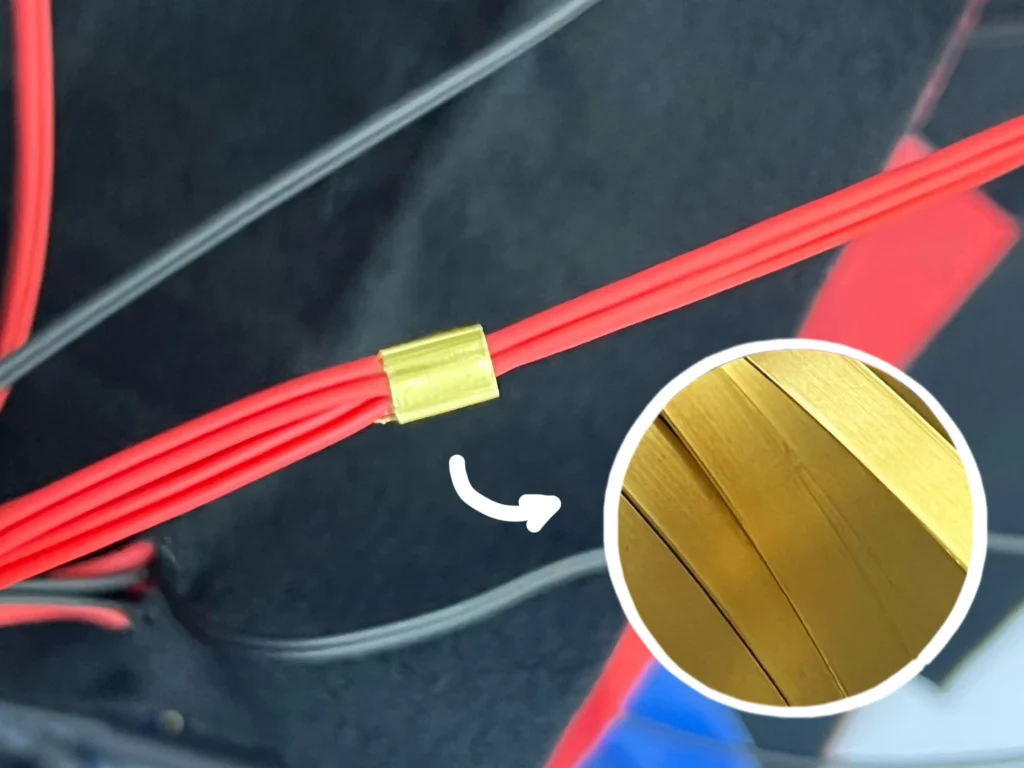
Wiring is the most overlooked failure point in smart outerwear. Every time a wearer bends, reaches, or sits, internal cables experience mechanical tension and flex fatigue.
-
High-Purity Copper Joints & Anti-Breakage Core: We reinforce connection terminals with high-purity copper and build anti-breakage filament protection directly into our DC harnesses. Every wire design passes weighted fatigue and tensile pull tests before mass production.
-
Ergonomic, Invisible Routing: Heavy or poorly routed wires ruin garment drape. We optimize wire gauge and routing paths so the system remains ultra-thin, flexible, and virtually undetectable under shell fabrics—and every harness undergoes 100% continuity testing before leaving our facility.
Frequently Asked Questions (FAQ) for Apparel Brand PMs & Sourcing Managers
Q: Can Addheat heating modules be integrated into existing jacket patterns without redesigning the shell? A: Yes. Our flexible carbon fiber pads and ultra-thin wiring harnesses conform naturally to existing garment silhouettes, and specified fabrics are suited for sewing an internal lining inside your outerwear. We also provide step-by-step installation tutorials for factories without in-house electronics engineers.
Q: How do you verify that heating modules won’t fail after end-consumers machine-wash the garment? A: Beyond 50-cycle wash and tumble-dry validation, every heating pad undergoes 100% thermal imaging inspection on our Kaiping production line to verify uniform heat distribution and sealed circuit integrity prior to shipment.
Talk with Our Team & Continue to Part 2
Ready to see how temperature control and fabric insulation complete the thermal system? Continue to Part 2: Smart Controllers & Pad Fabrics to learn how NTC sensors and asymmetric pad construction lock warmth in. Planning an upcoming outerwear line? Talk with MEC ADDHEAT or book a free consultation to discuss technical specifications, turnkey modules, or a factory/remote audit (Standard MOQ: 500 units).
 English
 Chinese