
High average order values are drawing more apparel brands into the heated clothing market, yet every factory claims to be the safest. Brands rarely discover the truth until a failure happens—turning a promising product launch into customer complaints, costly returns, one-star reviews, or even recalls and lawsuits. With 23 years of specialized thermal manufacturing, MEC ADDHEAT helps brand managers and sourcing teams identify reliable partners before putting their reputation on the line.
Thermal and Circuit Protection: Eliminating Burn Risks
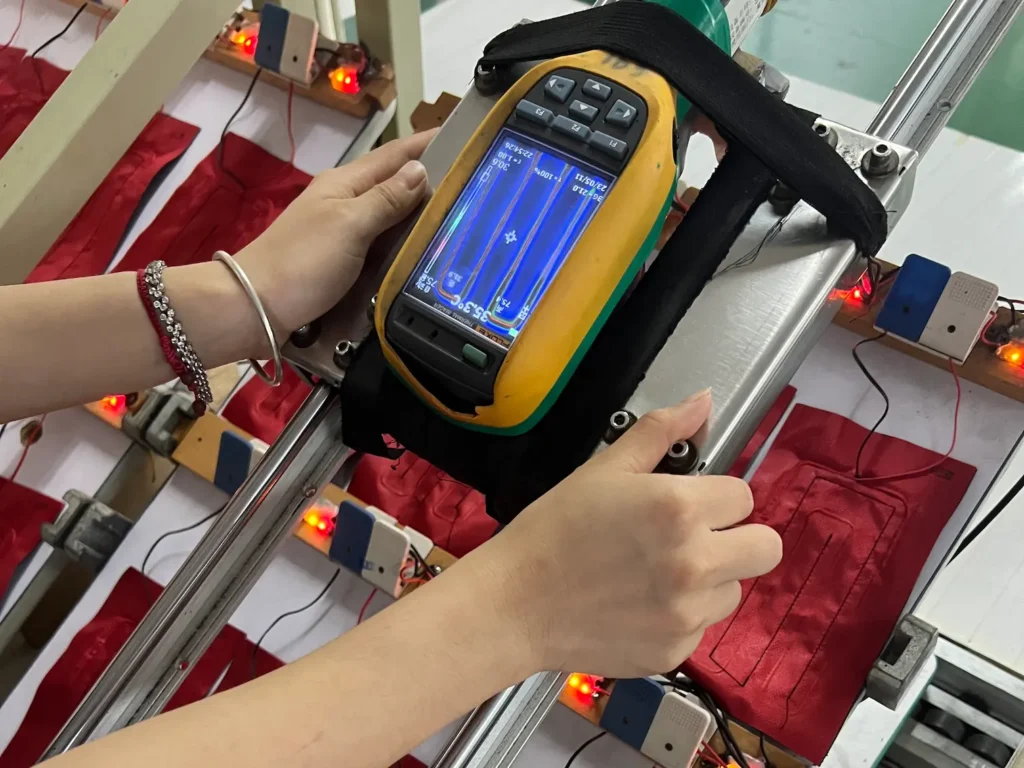
Every heating system requires active hardware safeguards, not just verbal assurances. When evaluating a heated apparel supplier, ask whether their modules include built-in NTC over-temperature protection and short-circuit protection. At ADDHEAT, every heating system integrates sensitive NTC sensors and undergoes 100% thermal imaging and continuity testing—with zero batch sampling—ensuring temperatures remain strictly controlled during real-world wear.
Wash-and-Dry Durability: Built for Western Consumers
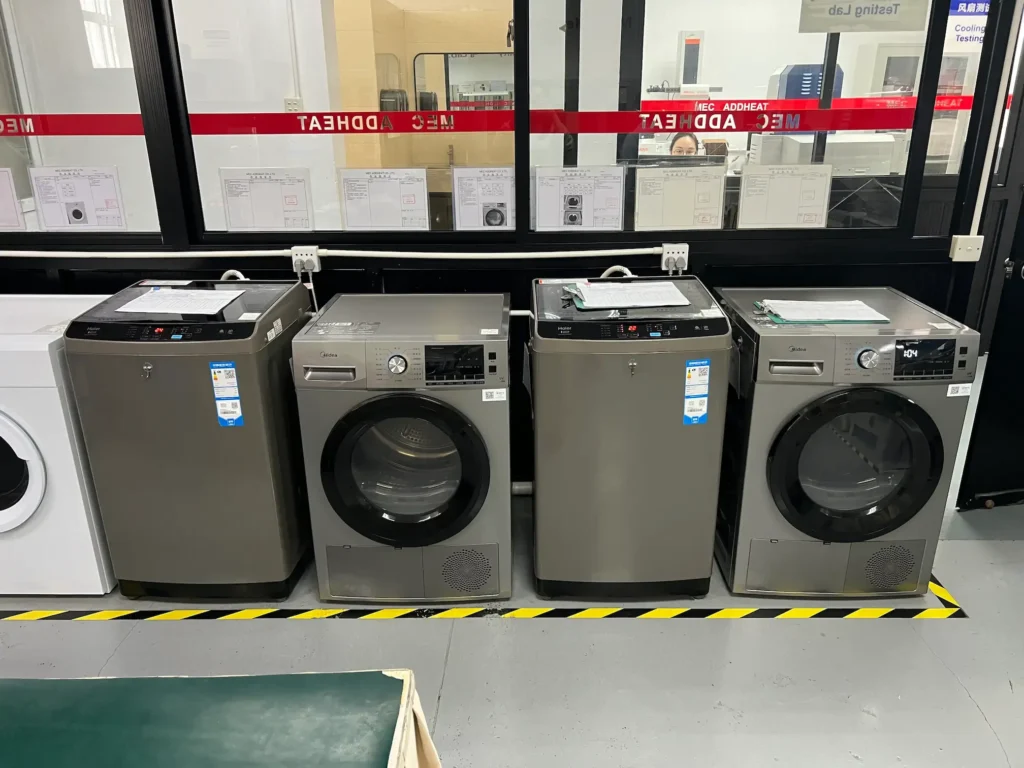
Hidden internal circuit damage is one of the most dangerous failure modes in heated garments. After just a few washes, low-grade wiring can fracture invisibly inside the jacket, creating electrical leakage risks or localized hotspots that cause burns. Because consumers in North America and Europe routinely move wet clothes straight from the washing machine into a tumble dryer, washing durability cannot be optional. ADDHEAT heating systems are validated for 50+ commercial machine-wash and high-heat tumble-dry cycles while retaining over 95% of their original heating efficiency.
Battery Safety: Why Everyday Power Banks Fall Short
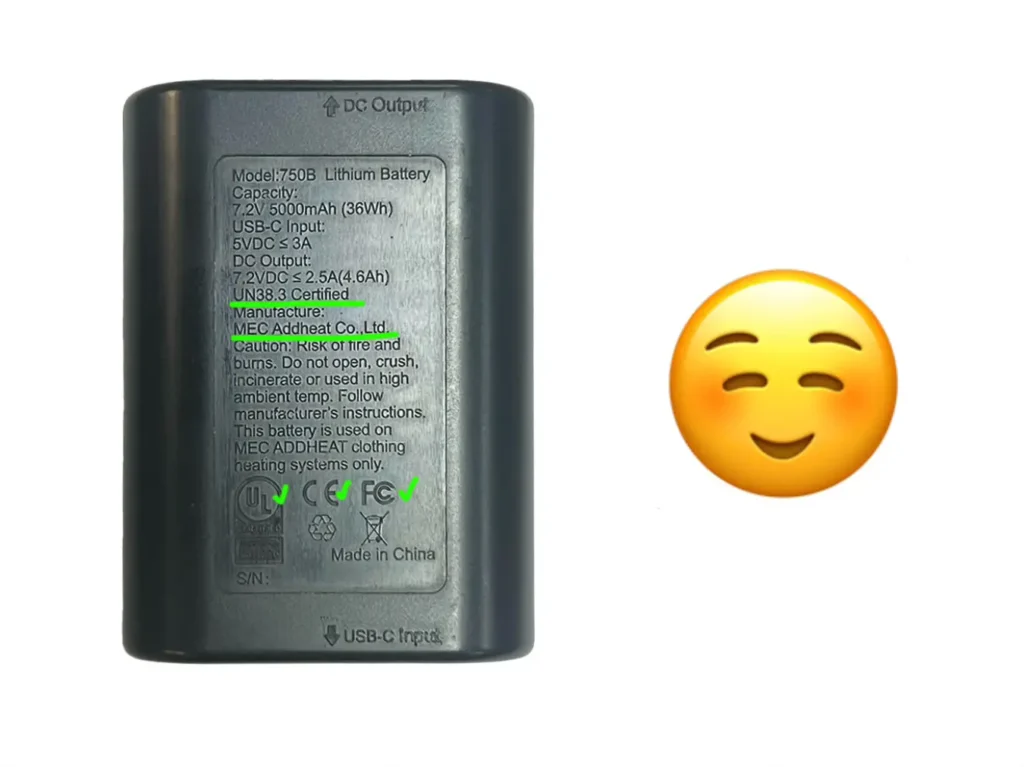
Because portable power banks are ubiquitous, many sourcing teams overlook battery safety. However, batteries inside heated apparel operate in enclosed, warmer environments where standard consumer packs can overheat or fail. Always request international certification documents and lab test reports—capable suppliers share them transparently, while unqualified factories stall and pivot back to low pricing. Although ADDHEAT focuses primarily on heating systems, we also engineer high-safety battery packs tailored specifically for heated clothing, featuring internal NTC thermal protection alongside UL and CE certifications.
Why Established Brands Switch to ADDHEAT
Our sales inbox regularly receives inquiries from established heated apparel brands already sourcing from other factories. After dealing with field incidents and rising negative review rates from lower-tier suppliers, these brands know the real cost of cutting corners. They switch to ADDHEAT’s heating systems and batteries to protect their brand equity and product reliability. Supported by an hourly-wage assembly model and a 2-year warranty, our systems maintain a defect rate of less than 0.1% after 1 year of real-world use—meaning fewer than one issue per 1,000 jackets sold.
Frequently Asked Questions (FAQ) for Brand Managers and Sourcing Teams
Q: What safety certifications should a qualified battery supplier provide?
A: At minimum, require CE for the battery, plus UL certifications. Always inspect official test reports before approving samples.
Q: How can we verify a factory’s quality control before placing a bulk order?
A: Confirm whether the supplier relies on batch sampling or 100% electronic inspection, and ask for testing lab videos. ADDHEAT supports both on-site Kaiping factory audits and remote video audits so your team can verify our testing lines firsthand. You can also watch our lab videos in Tiktok, Youtube, Facebook, Linkedin and Instagram.
Q: Can ADDHEAT supply both heating modules and matching batteries?
A: Yes. We provide turnkey certified heating modules, matched UL/CE-certified battery packs, and step-by-step installation guides, even for apparel brands without in-house electronics engineers.
Build Your Heated Apparel Line on Proven Safety
Do not wait for customer complaints or a product recall to test your supplier’s reliability. Contact MEC ADDHEAT today to request certification reports, order evaluation samples, or schedule a technical consultation or factory audit. Standard MOQ: 500 units.
 English
 Chinese