
Sourcing standard textiles is straightforward. Sourcing electronics embedded in textiles is a high-stakes logistical challenge. When a brand decides to add intelligent thermal products to its lineup, applying traditional garment quality control (QC) standards will inevitably lead to hardware failures, safety hazards, and damaged brand equity. For procurement teams visiting our manufacturing hub in Kaiping—whether from North America, Europe, or beyond—understanding what to look for during a factory audit is the first step toward a successful partnership.
Why Traditional Apparel Audits Fail for Smart Clothing
A standard apparel auditor checks stitching, fabric weight, and color fastness. However, a smart garment is a wearable appliance. If the heating element breaks during a machine wash, or if a DC wiring harness shorts out under tension, perfect stitching will not save the product. A true heated apparel audit must evaluate electrical engineering, testing equipment, and labor management simultaneously.
The “Under One Roof” Manufacturing Advantage
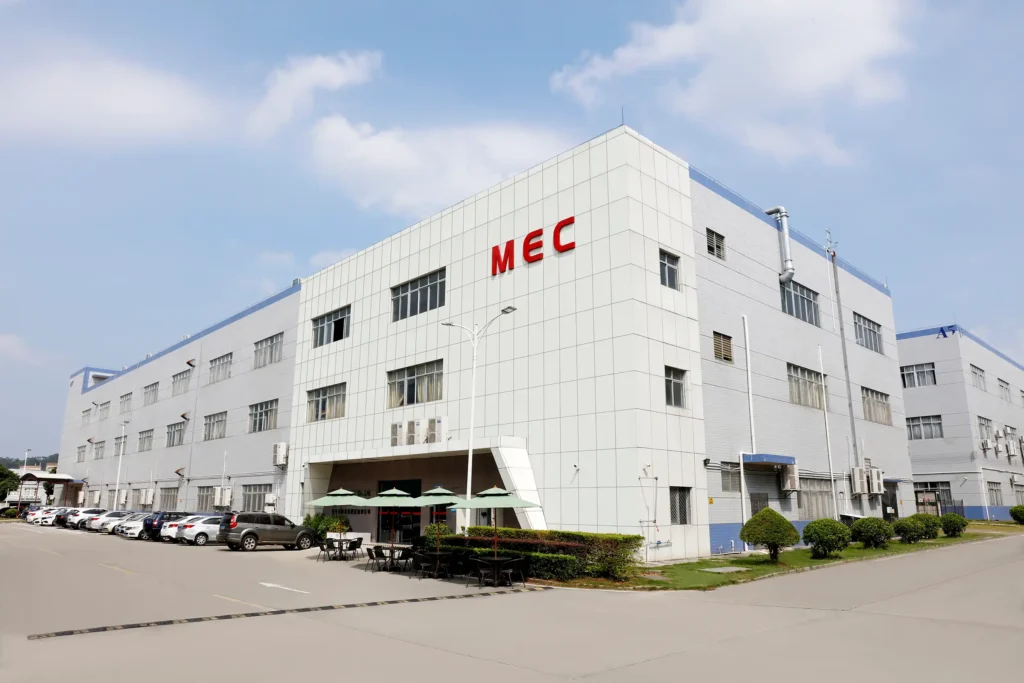
When auditing a factory, trace the supply chain. Many suppliers outsource the electronic components and merely stitch them into generic jackets. We operate strictly on an “Under One Roof” philosophy. Research and development, component assembly, and rigorous testing all happen within the same facility. This eliminates the communication breakdowns and batch inconsistencies inherent in fragmented supply chains. When you walk our floor, you see the entire lifecycle of the product.
Key Stations to Inspect on the Factory Floor
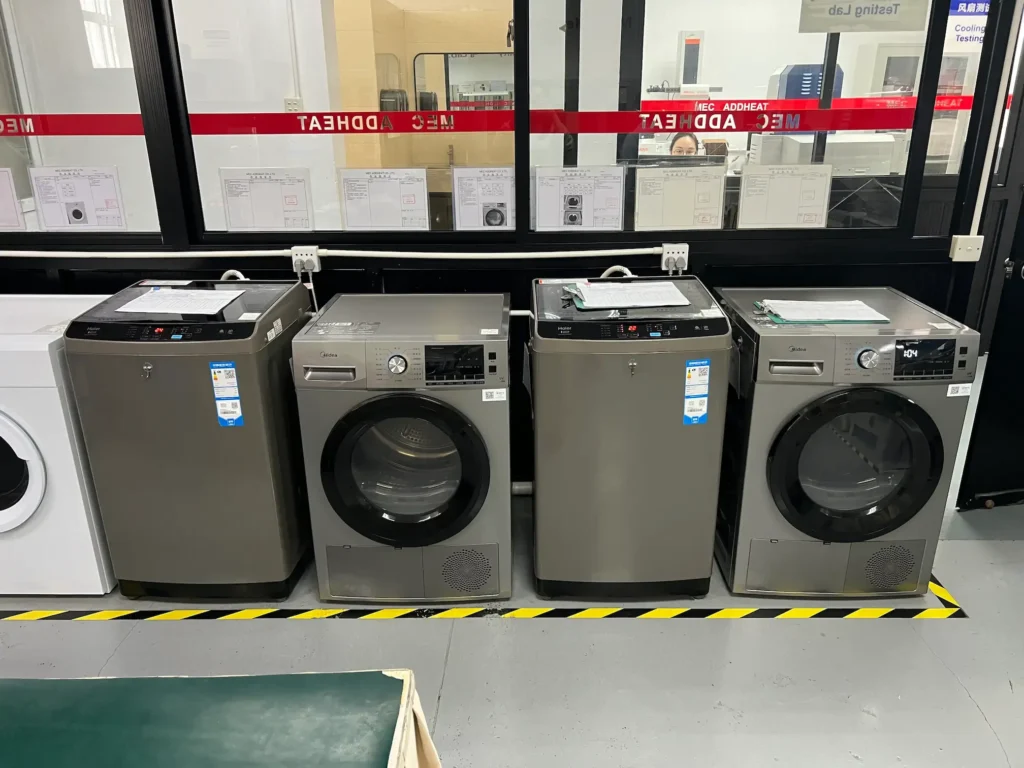
During your site visit, pay close attention to the testing infrastructure. A reliable OEM partner should have dedicated stations for:
- Wash and Dry Fatigue Testing: Our standard requires garments to undergo 50 intensive machine wash and dry cycles. Post-test, the thermal degradation rate must remain below 5%.
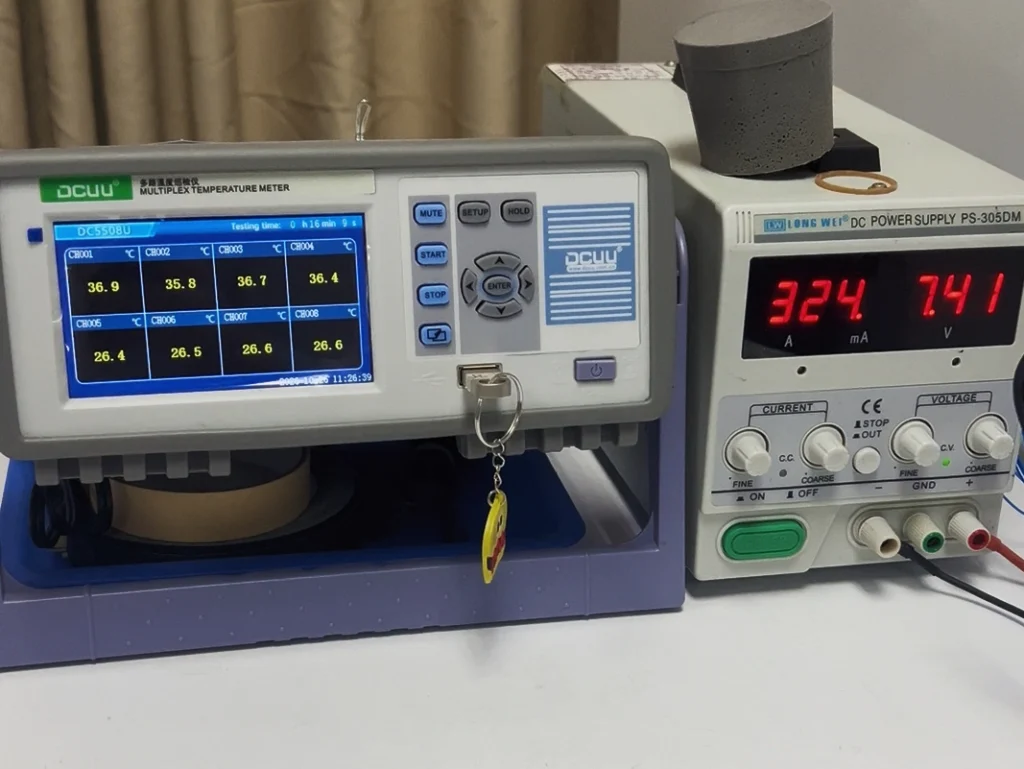
- The 100% Inspection Mandate: Do not accept batch sampling for electronics. Our facility mandates that all heating modules undergo 100% thermal imaging checks, all controllers undergo 100% functionality testing, and all DC wiring harnesses undergo 100% continuity testing.
The Human Element: Hourly Wages vs. Piece-Rate
The most overlooked aspect of a factory audit is how the workers are compensated. Many low-tier factories use a piece-rate system, which incentivizes workers to rush assembly to maximize their daily pay. This is the root cause of hidden defects in wearable electronics. Our assembly lines operate on an hourly wage system. We deliberately decouple speed from compensation to ensure that every wire is routed carefully and every connection is sealed perfectly. Precision takes time, and we pay for precision.
Frequently Asked Questions (FAQ) for Sourcing Managers
Q: What is your standard defect rate, and how is it calculated?
A: Through our 100% component testing protocol and hourly wage assembly system, we maintain a defect rate of less than 0.1% on delivered goods.
Q: Can we schedule a site visit or video audit?
A: Absolutely. We regularly host international commercial procurement delegations at our factory offices in Kaiping, China. We welcome both on-site visits and remote video audits.
Q: Do you help brands with no prior smart apparel experience?
A: Yes. For new B2B partners meeting our 500-unit MOQ, we provide complete tutorials, utilizing market-proven, certified finished heated garment and heating systems to quickly bring your new product line to market.
Secure Your Supply Chain Today
Do not risk your brand’s reputation on untested, fragmented supply chains. Partner with a factory that builds quality directly into the manufacturing process. Contact our global procurement team to schedule an audit or request a sample of our certified heating systems. (Standard MOQ: 500 units).
 English
 Chinese