
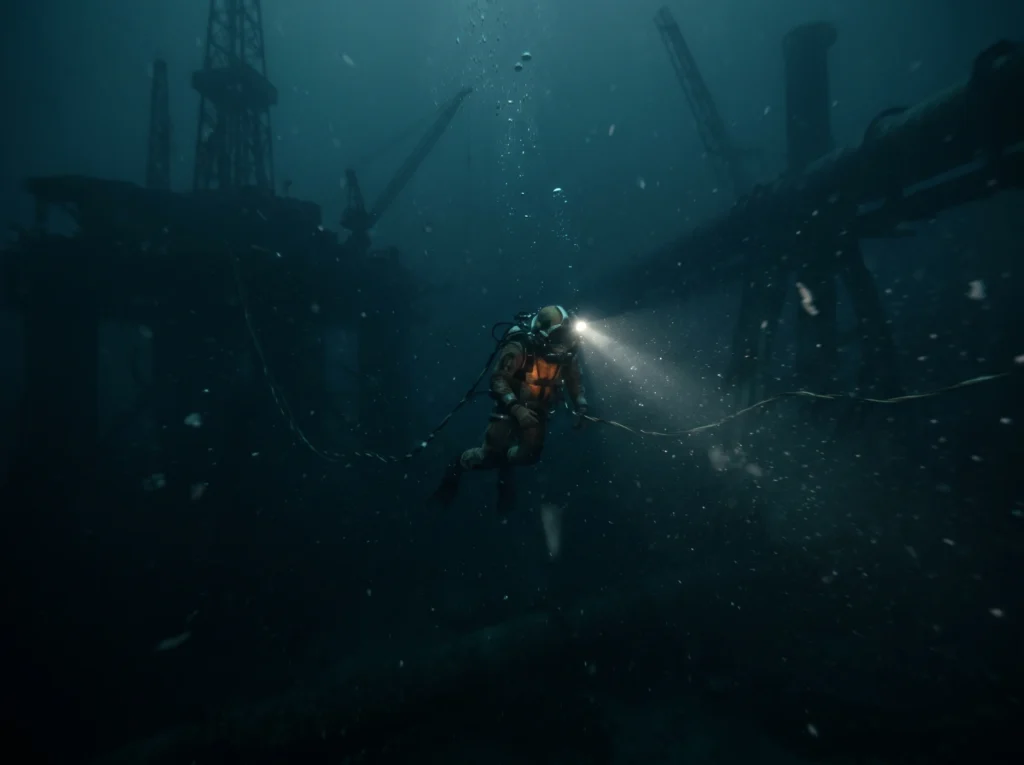
Diving in near-freezing, high-pressure waters should not mean compromising on safety, mobility, or bottom time. For decades, deep-sea welders, offshore rescue teams, and technical scuba divers have relied on thick, restrictive passive insulation to survive. Today, the integration of advanced intelligent heating systems into professional diving suits is fundamentally shifting how we approach underwater personal protective equipment (PPE).
The Engineering Challenge of Underwater Thermal Regulation
Water conducts heat away from the human body nearly 25 times faster than air. In industrial offshore operations or deep technical dives, maintaining core body temperature is not a luxury—it is a critical survival metric and a legal compliance standard. Early attempts at heated diving apparel often failed due to fundamental flaws in waterproofing, inconsistent battery discharge rates, and the usage of fragile heating wires that could not withstand the immense hydrostatic pressure at depth.
Modern B2B thermal manufacturing has moved past primitive printed electronics. By integrating flexible carbon matrices and continuous alloy wires, we have developed thermal networks that maintain zero electrical leakage and consistent heat distribution, even under extreme physical compression.
From -40°C Land to 100m Deep: The Saltwater Durability Standard
Building a heating system that works in the snow is entirely different from building one that survives saltwater immersion at a depth of 100 meters. The corrosive nature of saltwater degrades standard electrical connectors and stiffens ordinary fabrics.
Our heated diving suits are explicitly designed for saltwater diving. To combat galvanic corrosion and material fatigue, the DC wiring harnesses and battery interface modules are encapsulated using proprietary high-pressure sealing techniques. This ensures flawless operation in marine environments. To maximize the lifecycle of these high-value professional garments, our warranty terms emphasize standard marine maintenance: while built for the ocean, the equipment requires a simple freshwater rinse after immersion to prevent long-term salt crystal abrasion.
Manufacturing Reliability: The <0.1% Defect Rate Imperative
When a diver is 100 meters deep, a hardware failure is not a customer service issue; it is a critical emergency. That is why our facility operates on an uncompromising “Under One Roof” manufacturing and testing protocol.
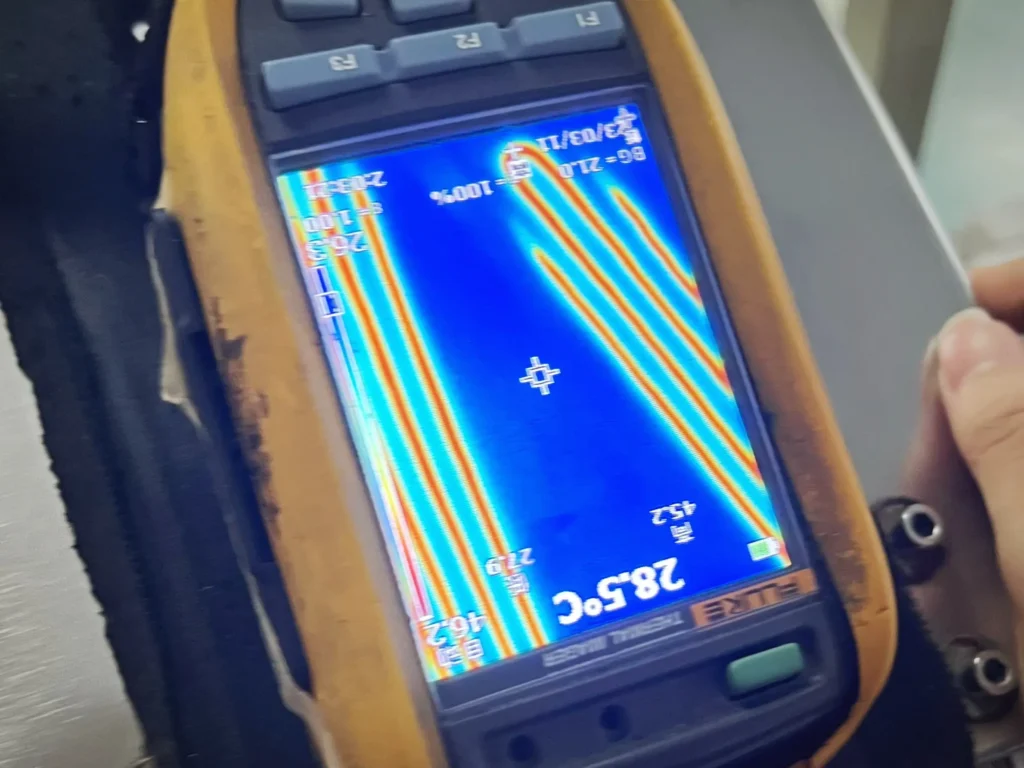
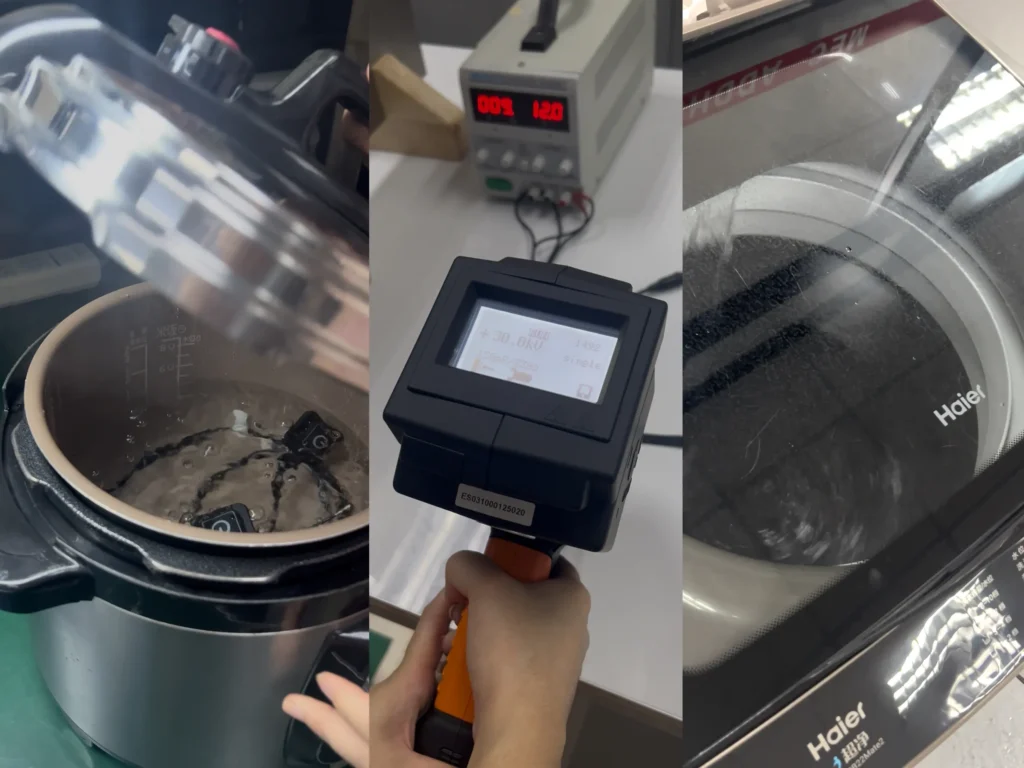
Every single component destined for an underwater garment undergoes rigorous verification before it leaves the factory floor. Our quality control parameters dictate that all heating modules undergo 100% thermal imaging checks to verify uniform heat distribution. Furthermore, all controllers undergo 100% functionality testing under load, and all DC wiring harnesses undergo 100% continuity testing. This zero-tolerance approach to defects guarantees that our B2B partners receive products with an aggregate defect rate of less than 0.1%.
Frequently Asked Questions (FAQ) for Sourcing Managers
Q: What is the minimum order quantity (MOQ) for custom heated diving suits?
A: To maintain our strict batch quality consistency and manufacturing efficiency, our standard minimum order quantity is 500 units per project. We do not participate in loose component distribution or small-scale retail dropshipping.
Q: Are these systems tested for saltwater environments?
A: Yes. The systems are explicitly engineered for saltwater immersion down to 100 meters. Proper post-dive freshwater rinsing is required to maintain warranty coverage against structural corrosion.
Q: How do you guarantee the reliability of the electrical harnesses?
A: We do not rely on random batch sampling. 100% of our DC wiring harnesses are subjected to individual continuity testing, and 100% of heating modules are verified via thermal imaging.
Elevate Your Subsea Equipment Line
Stop losing market share to outdated, passive thermal solutions. Partner with a factory that brings 23 years of pioneering thermal manufacturing expertise to the table. Contact our engineering team today to discuss integrating our 100m underwater heating modules into your next professional diving suit production run. (MOQ: 500 units).
 English
 Chinese